第187・188・189回 オリジナル病院食 りんごジュース オレンジジュース 果汁100%

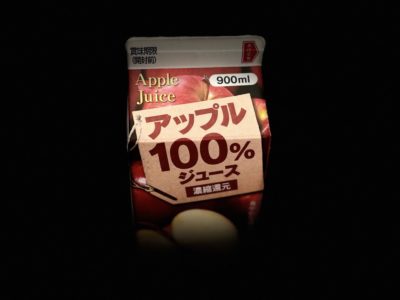
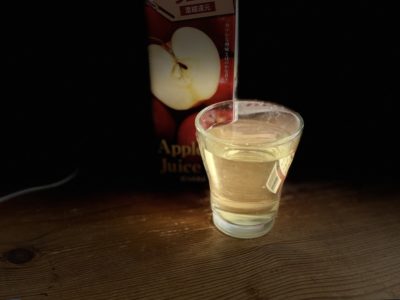
りんごジュース

Mr.Thanks
Mr.Thanks
りんごは、食物繊維が豊富で、消化を助け、便秘の予防や改善に役立ちます。また、満腹感を与えるため、ダイエット中の間食としても適しており、心臓病のリスクを低減する可能性があり、これは、りんごに含まれる抗酸化物質が血管の健康をサポートし、コレステロール値の改善に役立つからです。血糖値の急激な上昇を防ぎ、糖の吸収を遅らせることで、糖尿病予防にも、役立ちます。

Chef Mr.Thanks
Chef Mr.Thanks

果汁100%果汁100%のりんごジュースは、りんごそのものの栄養素をより多く含んでいます。

ただし、りんごは自然に糖分を含んでおり、そのため果汁100%のりんごジュースも高カロリーかつ高糖質になりがちです。

注意すべき点は、過剰に摂取すると、体重増加血糖値の急激な上昇につながる可能性があることです。

りんごジュースに含まれる酸は、歯のエナメル質を侵すことがあります。

特に果汁100%のジュースは、酸度が高いことが多く、頻繁に飲む場合は歯を傷つけるリスクがあります。
朝食
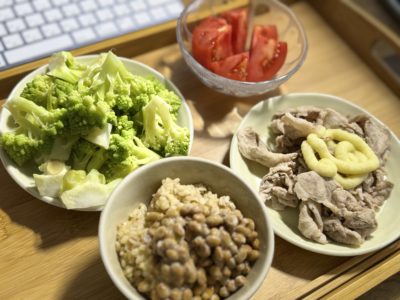
昼食

ヨーグルト

夕食

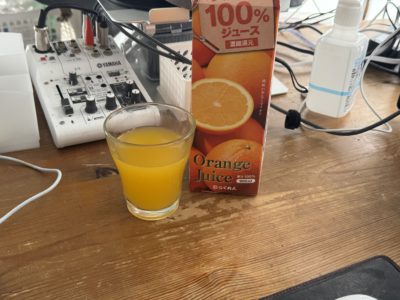
オレンジジュース

Chef Mr.Thanks
Chef Mr.Thanks

オレンジはビタミンCが非常に豊富で、免疫システムの強化肌の健康維持抗酸化作用による病気の予防に役立ちます。オレンジに含まれる食物繊維は、消化を助け、便秘の予防や腸内フローラの健康維持に貢献し。また、心臓病のリスクを低減、糖尿病の管理や予防につながるのです。

ただし、オレンジに含まれる酸は、胃酸過多や胃腸の不快感を引き起こすことがあります。特に胃腸が敏感な人は、消化不良や胸焼けを感じることがあり、オレンジの酸は、歯のエナメル質を侵すこともあり、、オレンジを食べた後は水で口をすすぐか、歯磨きをすることが推奨されている。
投稿者プロフィール

EIC Mr.S
EIC Mr.S
I was born in Kobe and entered the apparel industry in 1986. At that time, Japan’s fashion industry was experiencing rapid growth. It was a booming market where products would sell almost as soon as they were made.

However, in 1991, the economic bubble burst. The industry, which had been thriving, suddenly entered a very difficult period.

“Why aren’t products selling?”
“How can a brand survive?”

While searching for answers to these questions, I continued working in sales, merchandise planning, and business development.

Later, I took on the challenge of overseas business. I was entrusted with management responsibilities in Taiwan and Hong Kong, where I expanded operations in the Asian market.

But overseas, Japan’s successful business models did not work. The climate, body types, and culture were all different.

Products, organizations, and sales methods all had to be rebuilt from scratch.

I experienced many failures. However, those experiences taught me the true essence of the fashion business.

That is:

“It is not sales that determine success, but the system behind the brand.”

Today, I support companies as a management consultant while also teaching students as a lecturer at a vocational school.

Why do I teach?

Because I want to pass on what I have learned through experience to the next generation.

I want to help improve the apparel industry, even if only a little.

With that belief, I continue to dedicate myself to the fashion business today.

EIC Mr.S

I was born in Kobe and entered the apparel industry in 1986. At that time, Japan’s fashion industry was experiencing rapid growth. It was a booming market where products would sell almost as soon as they were made. However, in 1991, the economic bubble burst. The industry, which had been thriving, suddenly entered a very difficult period. “Why aren’t products selling?” “How can a brand survive?” While searching for answers to these questions, I continued working in sales, merchandise planning, and business development. Later, I took on the challenge of overseas business. I was entrusted with management responsibilities in Taiwan and Hong Kong, where I expanded operations in the Asian market. But overseas, Japan’s successful business models did not work. The climate, body types, and culture were all different. Products, organizations, and sales methods all had to be rebuilt from scratch. I experienced many failures. However, those experiences taught me the true essence of the fashion business. That is: “It is not sales that determine success, but the system behind the brand.” Today, I support companies as a management consultant while also teaching students as a lecturer at a vocational school. Why do I teach? Because I want to pass on what I have learned through experience to the next generation. I want to help improve the apparel industry, even if only a little. With that belief, I continue to dedicate myself to the fashion business today.

You may also like...