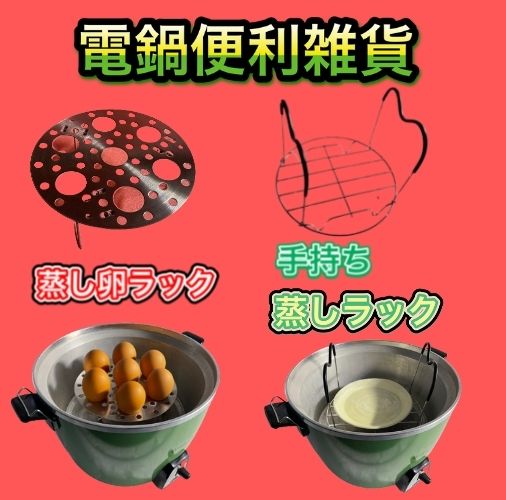
電鍋マストアイテム【電鍋便利雑貨】 手持ち蒸しラック 蒸し卵ラック 大同電鍋 6合 10合用 調理道具

Mr.Thanks
Mr.Thanks
電鍋ファンにお知らせがあります。超便利な電鍋マストアイテムの販売が開始しました!3つのオンラインストアーで同時発売です!

楽天    Yahooショッピング   メリカりShop


投稿者プロフィール

EIC Mr.S
EIC Mr.S
I was born in Kobe and entered the apparel industry in 1986. At that time, Japan’s fashion industry was experiencing rapid growth. It was a booming market where products would sell almost as soon as they were made.

However, in 1991, the economic bubble burst. The industry, which had been thriving, suddenly entered a very difficult period.

“Why aren’t products selling?”
“How can a brand survive?”

While searching for answers to these questions, I continued working in sales, merchandise planning, and business development.

Later, I took on the challenge of overseas business. I was entrusted with management responsibilities in Taiwan and Hong Kong, where I expanded operations in the Asian market.

But overseas, Japan’s successful business models did not work. The climate, body types, and culture were all different.

Products, organizations, and sales methods all had to be rebuilt from scratch.

I experienced many failures. However, those experiences taught me the true essence of the fashion business.

That is:

“It is not sales that determine success, but the system behind the brand.”

Today, I support companies as a management consultant while also teaching students as a lecturer at a vocational school.

Why do I teach?

Because I want to pass on what I have learned through experience to the next generation.

I want to help improve the apparel industry, even if only a little.

With that belief, I continue to dedicate myself to the fashion business today.

EIC Mr.S

I was born in Kobe and entered the apparel industry in 1986. At that time, Japan’s fashion industry was experiencing rapid growth. It was a booming market where products would sell almost as soon as they were made. However, in 1991, the economic bubble burst. The industry, which had been thriving, suddenly entered a very difficult period. “Why aren’t products selling?” “How can a brand survive?” While searching for answers to these questions, I continued working in sales, merchandise planning, and business development. Later, I took on the challenge of overseas business. I was entrusted with management responsibilities in Taiwan and Hong Kong, where I expanded operations in the Asian market. But overseas, Japan’s successful business models did not work. The climate, body types, and culture were all different. Products, organizations, and sales methods all had to be rebuilt from scratch. I experienced many failures. However, those experiences taught me the true essence of the fashion business. That is: “It is not sales that determine success, but the system behind the brand.” Today, I support companies as a management consultant while also teaching students as a lecturer at a vocational school. Why do I teach? Because I want to pass on what I have learned through experience to the next generation. I want to help improve the apparel industry, even if only a little. With that belief, I continue to dedicate myself to the fashion business today.

You may also like...