Mr.Thanks
「LAMU(ラ・ムー)」は大黒天物産グループが運営するスーパーマーケットチェーンです。

Backpacker Mr.Thanks
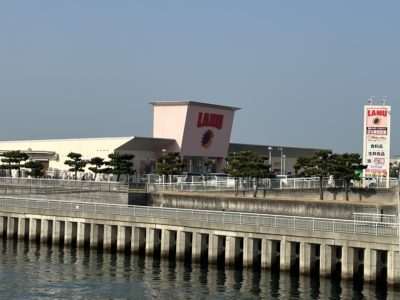
「LAMU(ラ・ムー 大蔵海岸店)」は、兵庫県明石市大蔵海岸通2-2に位置しているコンビニ・スーパーです。24時間営業しており、お弁当なども販売しています。
また、口コミによれば、商品の価格が安く、お弁当は税込198円で売っているとのことです。ただし、美味しさについては評価が分かれるようです。
駐車場も利用可能で、ラ・ムーで買い物をすれば1時間まで無料となります。
大黒天物産グループは、日本の大手小売業者で、主に食品スーパーマーケットを運営している企業グループです。大黒天物産は、岡山県に本社を置き、主に西日本を中心に店舗を展開しています。
ディスカウントストア形式を取り入れており、食品を中心に、日用品や家庭用品なども幅広く取り扱っています。
グループの特徴の一つとして、コストパフォーマンスの高い商品を提供することに力を入れており、価格競争力を重視した経営を行っていることが挙げられます。
また、地域密着型の経営を心掛け、地元産の食材を積極的に取り扱うことで、地域社会との連携も強化しています。
大黒天物産グループは、小売業の中でも特に成長を続ける企業の一つであり、新しいビジネスモデルの開発や、IT技術を活用した効率的な運営方法など、革新的な取り組みにも注力しています。
投稿者プロフィール

-
I was born in Kobe and entered the apparel industry in 1986. At that time, Japan’s fashion industry was experiencing rapid growth. It was a booming market where products would sell almost as soon as they were made.
However, in 1991, the economic bubble burst. The industry, which had been thriving, suddenly entered a very difficult period.
“Why aren’t products selling?”
“How can a brand survive?”
While searching for answers to these questions, I continued working in sales, merchandise planning, and business development.
Later, I took on the challenge of overseas business. I was entrusted with management responsibilities in Taiwan and Hong Kong, where I expanded operations in the Asian market.
But overseas, Japan’s successful business models did not work. The climate, body types, and culture were all different.
Products, organizations, and sales methods all had to be rebuilt from scratch.
I experienced many failures. However, those experiences taught me the true essence of the fashion business.
That is:
“It is not sales that determine success, but the system behind the brand.”
Today, I support companies as a management consultant while also teaching students as a lecturer at a vocational school.
Why do I teach?
Because I want to pass on what I have learned through experience to the next generation.
I want to help improve the apparel industry, even if only a little.
With that belief, I continue to dedicate myself to the fashion business today.
最新の投稿
- 2026-03-05English#1268 “Human-Made Profit Strategy” — A Japan-Born Brand That Earns Worldwide
- 2026-03-04English#1267“Mental Performance (Menpa)” Designing decision-free systems that protect profit
- 2026-03-01How Fashion Brands Make Profit#1258「ユニクロ式利益構造」粗利率で勝つ経営設計
- 2026-03-01How Fashion Brands Make Profit#1258 《优衣库式利润结构》 以毛利率取胜的经营设计